

Rudo Mugwagwa
Rudo advises on investment funds, corporate, and cross-border compliance matters, with experience across fund formation, governance, and investor-side advisory.
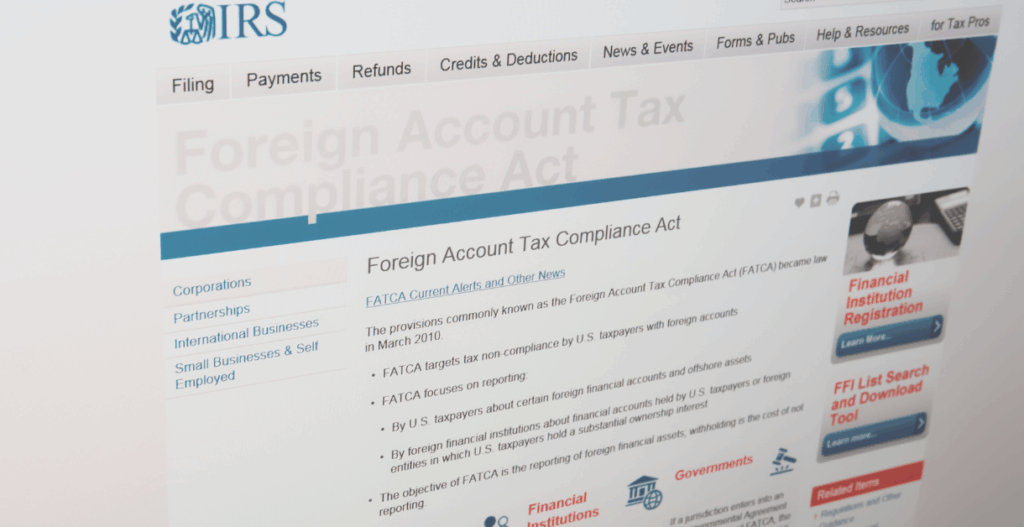
U.S. Foreign Account Tax Compliance Act (“U.S. FATCA“) compliance for new fund managers can be a a costly challenge without adequate planning and streamlined processes to support a smooth reporting season.
Investment funds are investment entities falling within the definition of “Financial Institutions” under U.S. FATCA and the implementing model intergovernmental agreements (“IGAs“), placing them within the scope of the regime. The key to being able to establish a compliance program is to first understand the basics of U.S. FATCA to build a program that works for the fund’s size and available resources.
What is U.S. FATCA?
FATCA imposes an obligation on participating foreign financial institutions (“FFIs“) to register with the IRS and to report U.S. persons accountholder information to the IRS annually. This information enables the IRS to have a record that aligns with direct reporting that the U.S. accountholder has completed.
Countries and territories enter into IGAs with the U.S. (“Partner Jurisdictions“) to facilitate the FFI compliance and coordinate information exchange between the local authority and the IRS. Partner Jurisdictions may adopt one of two IGAs: Model 1 or Model 2.
What is the difference between Model 1 and Model 2 IGA?
Under the Model 1 IGA, the Partner Jurisdictions implement domestic legislation, which empowers their local authorities to exchange the FFIs’ U.S. account information required automatically with the IRS supporting the compliance of the local FFIs with the FATCA.
Under the Model 2 IGA, the Partner Jurisdiction agrees to require and enable all relevant FFIs to comply directly with their FATCA obligations under an FFI agreement with the IRS.
The FFIs report directly to the IRS through the International Data Exchange Portal (“IDES Portal“). IRS will engage with the local tax authority where any further information is required about the FFI, for example, regarding non-compliant FFIs or pre-existing accounts.
The Model 2 jurisdictions include Japan, Hong Kong, and Bermuda, among others.
What are the fund manager's responsibilities?
Under the FFI agreement, Fund Managers are required to ensure the fund (as an FFI):
- Registers on the IRS FATCA Portal and obtain a Global Intermediary Identification Number (“GIIN“) and certifies compliance with FATCA;
- Complies with the Annex I due diligence procedures required under the applicable Model 2 IGA to verify each account’s FATCA status. This includes obtaining the tax self-certification forms (e.g. W9, W8BEN, and W8BEN-E);
- Obtains accountholder consent to share account information with the IRS in compliance with local data protection regimes;
- Completes annual reporting through the IDES Portal by the IRS prescribed deadline; and
- Re-certifies its information and compliance every three years.
What is a Responsible Officer?
The Responsible Officer is a senior person designated by the fund to be the primary liaison with the IRS regarding the FFI’s FATCA obligations. This role is typically fulfilled by a member of the management team or an internal compliance officer.
The Responsible Officer is responsible for:
- Authorized disclosure of the FFI’s information to the IRS;
- Overseeing compliance with U.S. FATCA;
- Certifying the FFI’s compliance with U.S. FATCA under the certification process;
- Reporting and remediating any failures in the FFIs compliance program;
- Training staff on FATCA procedures; and
- Ensuring that recordkeeping obligations are met and maintained.
What are the key deadlines?
New funds must register before their first reporting or certification deadline. The annual deadline for reporting accounts is March 31.
What is the periodic re-certification that the Responsible Officer is required complete?
The Responsible Officer must submit certifications relating to pre-existing accounts and ongoing compliance with U.S. FATCA due diligence and reporting requirements. The certification confirms that the FFI has maintained appropriate controls and procedures and remediated any deficiencies.
How can a Fund ensure it meets the data-sharing consent requirements?
Fund managers must consider both the FATCA regime and local data protection standards before sharing data with the IRS. Certain Partner Jurisdictions have high consent thresholds for data sharing—for example, Japan’s Act on Protection of Personal Information is known for its strict requirements. As such, fund managers must ensure their onboarding and consent processes are meeting the strictest applicable standard, given the significant penalties and regulatory exposure associated with non-compliance.
If you are setting up a new fund in a Model 2 jurisdiction and would like support establishing your FATCA program, Basswood Counsel assists managers with Annex I due diligence, GIIN registration, onboarding workflows, and annual certification and reporting under the Model 2 IGA.